
SMART KITCHEN TECH

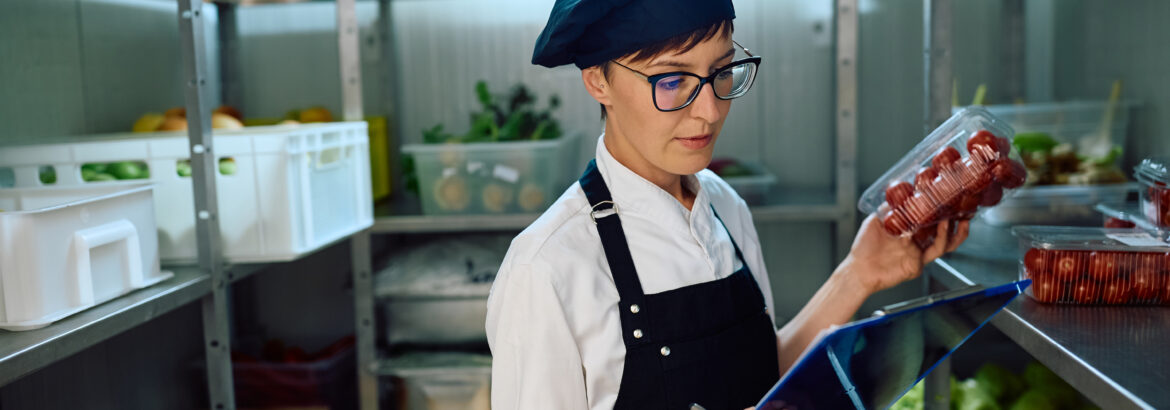
Confident mid adult Hispanic personal chef selects items for a salad from digital image. He is wearing chef's whites and a black apron. He has brown hair and facial hair.

AI: TO HELP, NOT REPLACE

Labor shortages, rising operational costs, and global supply issues…AI can help reduce a wide range of problems, allowing chefs to get creative and restaurants to operate more profitably without replacing the human workforce.

OPERATIONS

STAFF SCHEDULING
RESERVATIONS
PERSONALIZED MARKETING
TABLE TURNOVER

MENUS

SEASONALITY
ON-TREND INGREDIENTS
INNOVATIVE PAIRINGS
CUSTOMER PREFERENCES

WASTE REDUCTION

REAL-TIME INVENTORY
PREDICTIVE DEMAND
CROSS UTILIZATION IDEAS
PORTION CONTROL
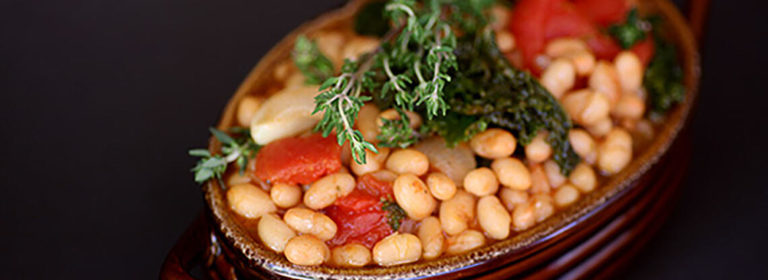
Diners are increasingly hyper-focused on high-protein and plant-based foods. Alongside all of the new-fangled, lab-based, cell-cultured options out there is the humble bean. A staple food for millenia, beans are being re-examined as a healthy, versatile ingredient worthy of menu inclusion.

  • Retro and heirloom recipes—like Southern succotash, French cassoulet, and Cajun red beans and rice—fit the bill for those in search of authenticity.
  • Most world cuisines incorporate some type of bean in their classic dishes. Think feijoada in Brazil, black beans and rice with plantains in Puerto Rico, and garbanzo beans in Israel. Modern interpretations of these recipes are packed with produce and herbs.
  • The creamy texture of mung beans is proving an ideal substitute for those that are eliminating soy from their diets.