
In what might be one of the most important menu shifts of the decade, small portions are becoming more common. Even beyond fine dining, customers are seeking quality over quantity, challenging restaurants to respond to changing eating habits.
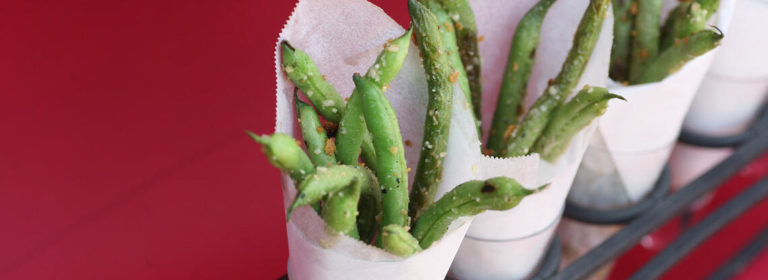
- Shareable produce plates: Keep the flavor bold and fun. Serve charred vegetable flights with French-peeled carrots, broccolini, and cauliflower, each with its own global sauce. Or how about a pickle board that combines olives, red onions, radishes, Romanesco…even green strawberries!
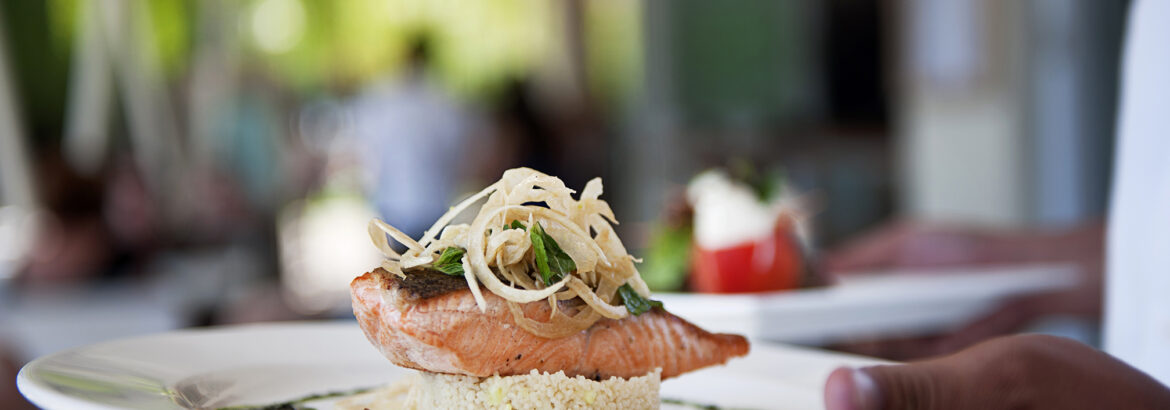
- Half portions: Reduce the number of ounces in steak, chicken, and seafood, and pair with leafy green sides like broccolini or Brussels sprouts with roasted winter squash.
- Premium snacks: Prioritize lean protein, fiber-rich produce, and healthy fats, in dishes like hummus plates with raw vegetables and roasted chickpeas, roasted baby carrots with a labneh schmear and dukkah seasoning, or deviled eggs with pickled beet and cucumber topping.
NUTRIENT DENSE + BOLD FLAVOR!