REFINED RESTRAINT: BACKLASH TO FLAVORMAXXING

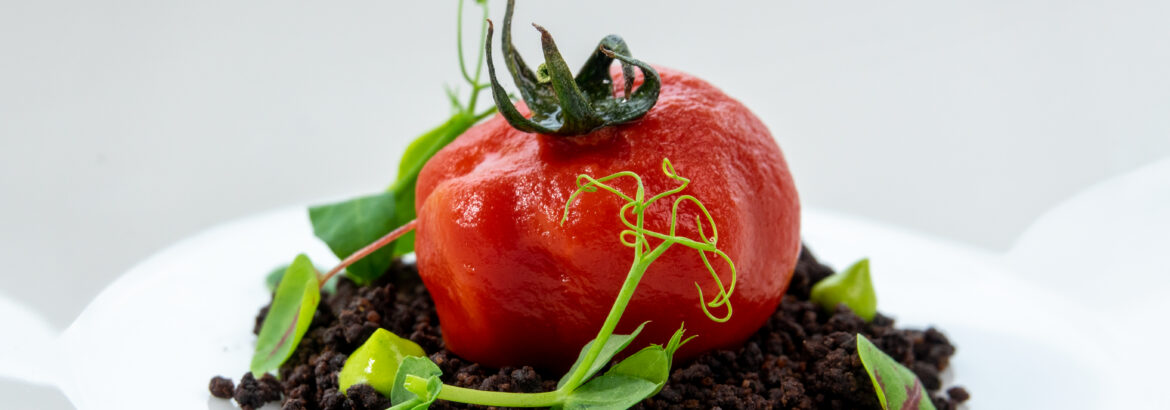
Dish with whole tomato and squid ink rice

Although global fusion remains extremely relevant, getting back to basics is a counter movement gaining steam. Yes, global flavors remain an industry force, but a parallel cultural pivot is emerging. For some customers, simplicity feels like a palate reset.

  • Sensory fatigue is real. Reducing the number of flavors per dish while boosting intensity through technique, gives focus to the plate.
  • “Real ingredients” are the flex. Think whole fruits and vegetables prepared in ways that highlight their natural flavors for true authenticity.
  • Consumers want value; operators want lower food costs. Minimalist drinks and dishes feel more more premium while often lowering budgets.
  • Never boring, these dishes are intentional and exude quiet confidence. Never overly extra.

KEEP IT SIMPLE
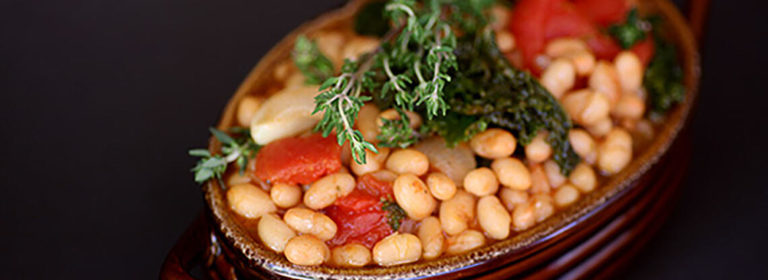
Diners are increasingly hyper-focused on high-protein and plant-based foods. Alongside all of the new-fangled, lab-based, cell-cultured options out there is the humble bean. A staple food for millenia, beans are being re-examined as a healthy, versatile ingredient worthy of menu inclusion.

  • Retro and heirloom recipes—like Southern succotash, French cassoulet, and Cajun red beans and rice—fit the bill for those in search of authenticity.
  • Most world cuisines incorporate some type of bean in their classic dishes. Think feijoada in Brazil, black beans and rice with plantains in Puerto Rico, and garbanzo beans in Israel. Modern interpretations of these recipes are packed with produce and herbs.
  • The creamy texture of mung beans is proving an ideal substitute for those that are eliminating soy from their diets.