QSR GLOBAL SHIFT
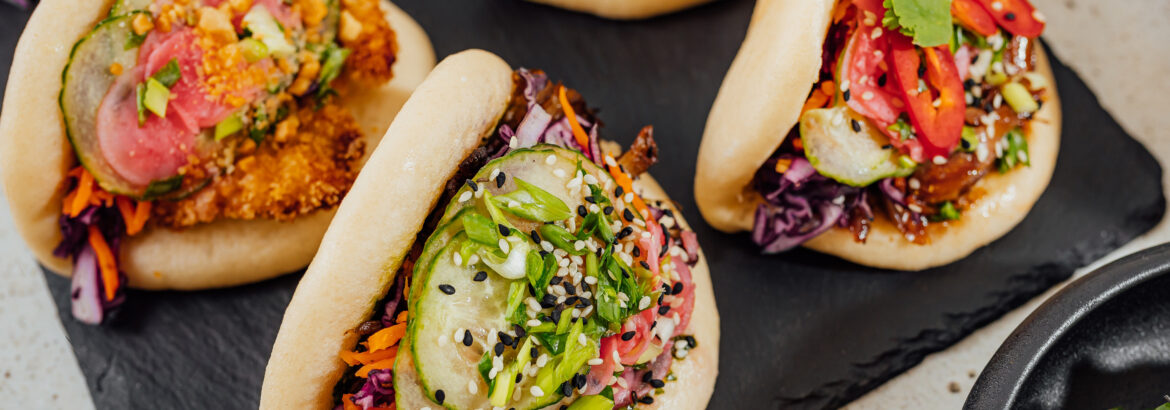
Dominated by the rapid expansion of bowl culture, specialty tea shops, and Korean fried chicken, this trend is booming, with sales projected to hit over $50B by 2031. It’s largely driven by demand for the authentic, customizable, and affordable meals that Gen Z love, as well as the shift towards healthier, plant-forward options.
- Curry Up Now: With its focus on Indian streetfood, this spot leans heavy on vegetable-forward dishes with just the right amount of spice—in rice bowls, tikka burritos, and potato samosas.
- Din Tai Fung: While more upscale, this modern Chinese dumpling restaurant is creating QSR copycats focusing on dumplings as comfort food.
- Marugame Udon: Rapidly expanding in major metro areas, it’s known for customizable udon noodle soups and a tempura bar.
- Jollibee: This global phenomenon now has its sights set on North America. It has a family-friendly menu that’s created a cult following with dishes like hand-breaded fried chicken, Filipino sweet-style tomato spaghetti, and crispy peach-mango hand pies.
BOLD FLAVOR, GLOBAL COMFORT