Operators are investing in better breads, global sauces, and chef-driven fillings rather than treating sandwiches as simple lunch items.
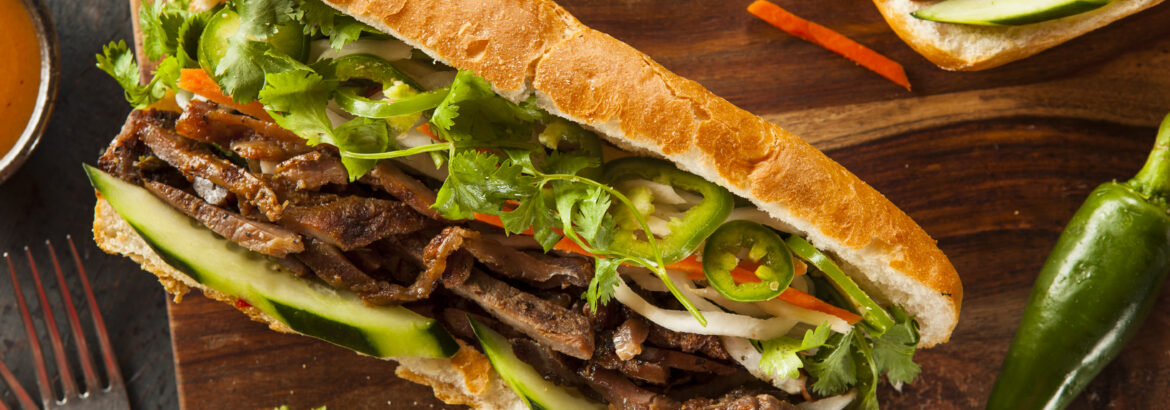
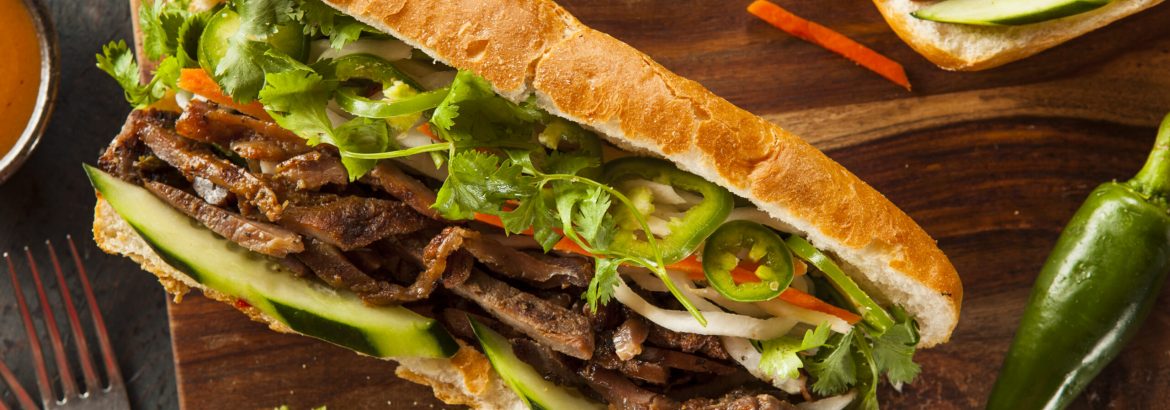
- Bigger flavors: instead of serving turkey or ham sandwiches, operators are creating hot honey chicken, shawarma, loaded po’ boys, elevated grilled cheeses, Cuban melts, and banh mi-inspired subs.
- Produce-driven toppings: many of the most talked-about sandwiches aren’t centered solely on meat. They’re using slaws, pickled vegetables, unique lettuce blends, heirloom tomatoes, cucumbers, avocados, and fresh herbs.
- Better bread: the carriers are more likely to showcase seed toppings, fried herbs, crispy grains, toasted nuts, and pickled vegetables.
- Global sauces: the complex flavors of gochujang, tahini, chipotle-honey, salsa macha, and toum are replacing basic mayo and mustard.
- Value perception: a loaded sandwich feels like a complete meal that gives a premium experience.
BUILT TO CRAVE!