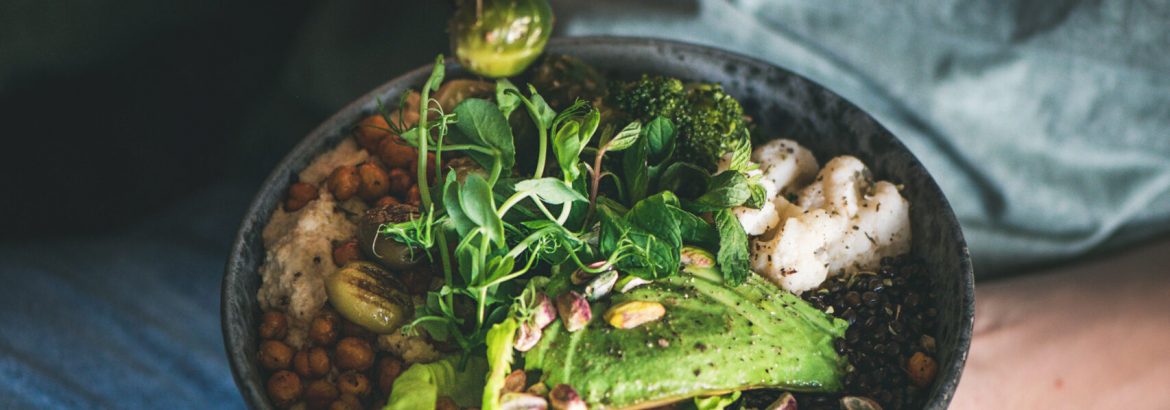
High‑protein eating shows up in a lot of today’s most talked‑about nutrition approaches, from low‑carb and paleo‑style plans to balanced whole‑food diets that emphasize staying full and energized. It also aligns with the way many people are approaching GLP‑1–guided eating, where protein and produce help support steady energy and satisfying meals. In restaurants, this shift is showing up as menus that spotlight lean proteins paired with vibrant vegetables, customizable bowls, and dishes built around freshness and satiety rather than heavy sauces or oversized portions. It’s a style of eating that feels modern, flexible, and easy for chefs to translate into crave‑worthy plates.
As more people look for nutrient‑dense meals that feel energizing rather than restrictive, fruits and vegetables are stepping into the spotlight as powerful partners to protein‑rich foods. From fiber‑packed greens that support digestion to vibrant vegetables that make every plate more satisfying, this approach blends the best of both worlds: the strength‑building benefits of protein and the natural vitality of fresh, seasonal ingredients.
A high‑protein diet built around fresh produce leans on plants that naturally support satiety, muscle repair, and overall nutrient density. The standout items tend to be those that either contain meaningful protein themselves or pair exceptionally well with protein‑rich foods to create balanced, filling meals.
Try some of these great Markon accompaniments:
Leafy Greens
- RSS Chopped Collard Greens
- RSS Triple-Washed Spinach
- RSS Shredded Kale
- RSS Chopped Romaine Lettuce
Cruciferous Vegetables
- RSS Broccoli Florets
- RSS Brussels Sprouts
- RSS Brussels Sprouts Halves
- RSS Brussels Bites®
- RSS Cauliflower Florets
- RSS Baby Broccoli Broccolini®
- RSS Shredded Cabbage
Peas & Beans
- MFC Sugar Snap Peas
- RSS Trimmed Green Beans
Mushrooms
- MFC Portabella Mushrooms
- MFC Shiitake Mushrooms
- MFC Crimini Mushrooms
- MFC White Mushrooms
- MFC Oyster Mushrooms
Avocados
- RSS Avocado Halves
- RSS Authentic Chunky Guacamole
- RSS Avocado Chunks
- RSS Pure Pulp
Herbs
- MFC Basil
- RSS Italian Parsley
- RSS Cilantro
- RSS Wild Arugula
- MFC Mint
- MFC Dill