WASTE NOT, WANT NOT: UPCYCLED INGREDIENTS

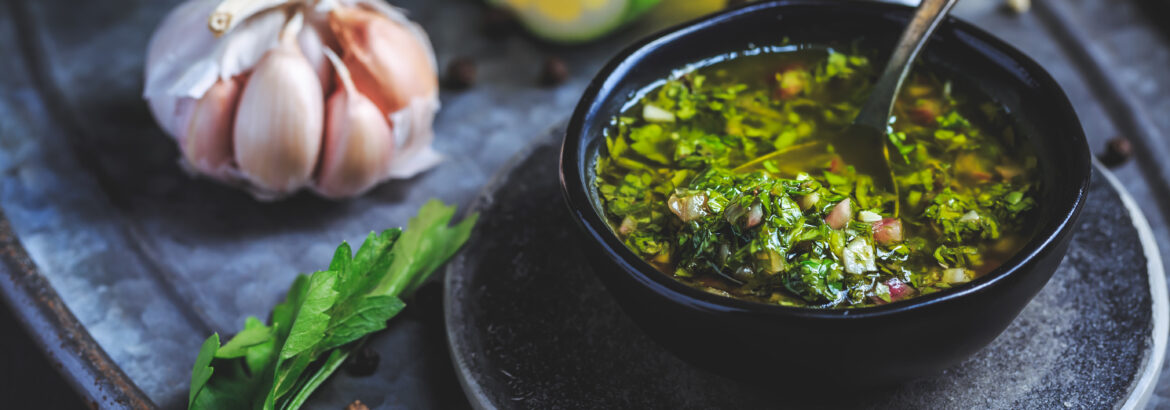
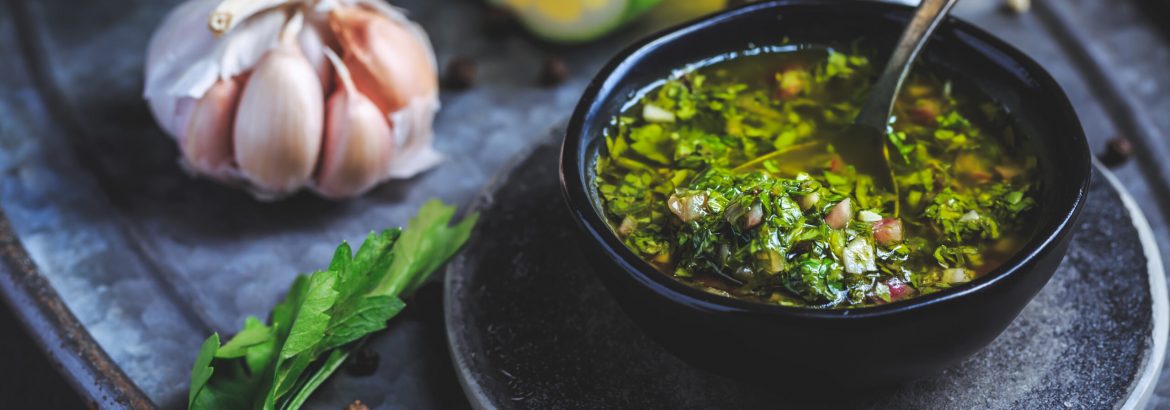
Chimichurri verde - traditional Argentine condiment, made from finely chopped parsley, minced garlic, olive oil, oregano, and wine vinegar

BEYOND FIELD TO FORK

In today’s foodservice environment, every dollar counts—so maximizing and cross-utilizing ingredients can turn trash into revenue. Chefs are reducing food waste by repurposing scraps, skins, peels, and pulps.

CONDIMENTS

GARLIC- & ONION-SKIN INFUSED OILS
IMPERFECT BERRY JAM
TOMATO PEEL/CORE KETCHUP
CELERY PULP VINAIGRETTE

CHIPS & CRACKERS

BEET PULP
POTATO PEELS
OVERRIPE BANANAS
IMPERFECT KALE LEAVES

SAUCES

CARROT TOP PESTO
CILANTRO ROOT CHIMICHURRI
ALLIUM CONSOMMÉ
PARSELY ROOT CHERMOULA

PICKLES

WATERMELON RINDS
BROCCOLI STEMS
CABBAGE CORES
GREEN TOMATOES

SIMPLE SYRUPS

CITRUS PEELS
FENNEL FRONDS
BASIL & MINT STEMS
CUCUMBER SKINS

POWDERS

IMPERFECT BERRIES
BUTTERFLY PEA
FLOWERS
PINEAPPLE JUICING PULP
BEET SKINS
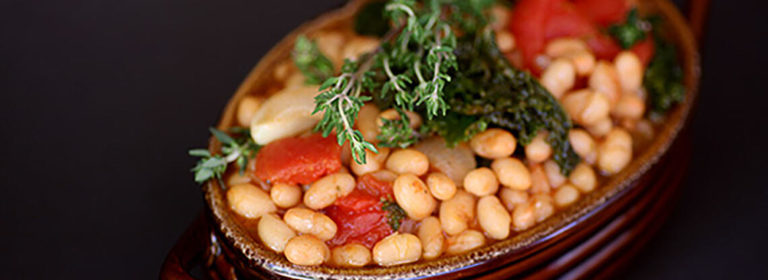
Diners are increasingly hyper-focused on high-protein and plant-based foods. Alongside all of the new-fangled, lab-based, cell-cultured options out there is the humble bean. A staple food for millenia, beans are being re-examined as a healthy, versatile ingredient worthy of menu inclusion.

  • Retro and heirloom recipes—like Southern succotash, French cassoulet, and Cajun red beans and rice—fit the bill for those in search of authenticity.
  • Most world cuisines incorporate some type of bean in their classic dishes. Think feijoada in Brazil, black beans and rice with plantains in Puerto Rico, and garbanzo beans in Israel. Modern interpretations of these recipes are packed with produce and herbs.
  • The creamy texture of mung beans is proving an ideal substitute for those that are eliminating soy from their diets.